Everyday Expressions Found In Poker Games
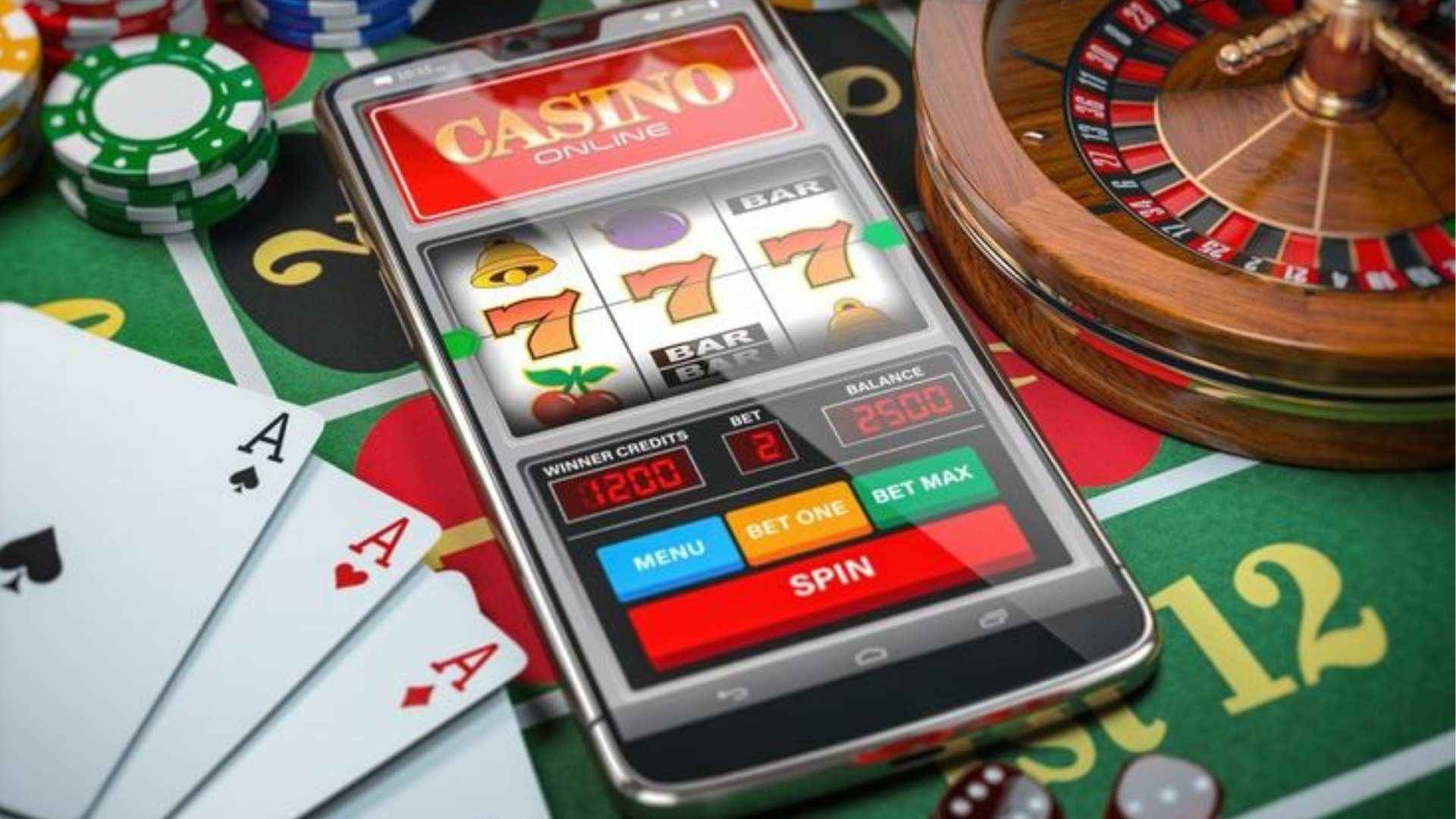
Sitting down at a card table introduces you to a unique cultural environment filled with distinct dialogue and shared idioms. Learning how players describe routine events helps you blend into the community and follow standard table action without feeling lost. This guide explores the everyday expressions utilized during casual or competitive gaming sessions to enhance your tactical understanding.
The Standard Verbal Moves
During a typical round of play, specific phrases govern how participants interact with the wagering pool. When an individual chooses to match the existing high bet, they announce a call to stay active. Conversely, when someone wishes to raise the stakes, they increase the current amount to put additional strategic pressure on their opponents.
There are also moments where you can pass the decision forward without risking any of your current chips. This specific move is known as a check, but it is only legal if nobody else has made a bet yet. If your cards lack potential or the pressure becomes overwhelming, you can choose to fold and exit the hand immediately.
Managing The Shared Stakes
Before any strategies unfold, the game relies on mandatory contributions to ensure every hand remains valuable. The collective pile of chips growing in the middle of the felt is universally referred to as the pot. To build this initial prize pool, participants must navigate forced opening wagers called blinds, which rotate based on specific seating arrangements.
Understanding these foundational requirements helps new players keep track of their chips throughout dynamic gaming sessions. Exploring reliable digital platforms can provide an excellent arena to watch these dynamics live, and finding a trusted m88 alternatif destination offers a clear view of regular table layouts. Recognizing how stakes move ensures you can make calculated financial choices when it is your turn to act.
Psychology And Variance Labels
Beyond basic mechanics, table vocabulary frequently shifts toward the mental warfare taking place between competitive minds. A bluff happens when someone makes a strong wager holding weak cards, aiming to trick opponents into quitting. This high-risk maneuver requires precise timing and excellent observation skills to execute successfully against cautious table habits.
Sometimes, mathematical variance leads to surprising results that completely shift the mood of the room. A bad beat describes an unfortunate scenario where a statistically dominant hand loses to an unlikely card on the final street. Learning these regular phrases allows players to process natural losses objectively and maintain strong psychological composure during extended play.
Reading the Seating Architecture
A player's physical or digital position at the table heavily dictates their tactical advantage during a round. Acting last in a betting sequence provides crucial information because you get to observe your opponents actions beforehand. This strategic perspective is called playing in position, which remains a cornerstone of winning systems.
Conversely, being forced to act first puts a competitor at a distinct structural disadvantage known as playing out of position. Mastering the terminology related to seating helps you adjust your opening hand requirements depending on where you sit. This positional awareness transforms random card choices into structured, logical strategic plans.